Field Trips
Field Trips
And broaden your horizon
During the days surrounding the conference and exhibition, we offer you the opportunity to join one of our exciting, informative and enjoyable field trips.
Field trips are listed below
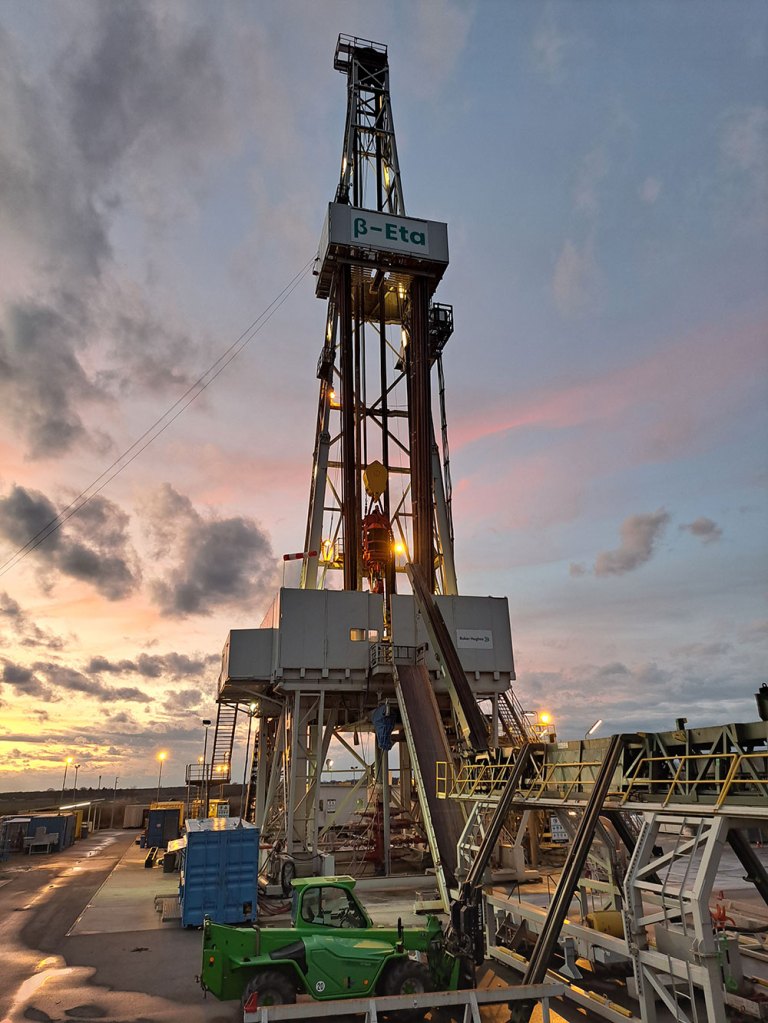
Field trip to Baker Hughes Test Rig Facility BETA - The Strongest European Land Rig
Join us for an exclusive visit to the Baker Hughes Test Rig Facility BETA, one of Europe’s most advanced and powerful land drilling test facilities. Located just 10 miles from the Baker Hughes Technology Center in Celle, Germany, the state-of-the-art site provides a unique opportunity to experience real-scale testing and innovation in drilling and energy technologies.
Operational since 2019, the BETA facility has successfully carried out both active and passive testing for a broad range of markets, supporting more than 100 applications and drilling over 30,000 metres (90,000 feet) of total footage. The facility is equipped with a 3,000 HP triple-stand rig, fully electrically powered by 100% green energy, demonstrating Baker Hughes’ commitment to innovation and sustainability.
Participants will gain insight into the facility’s extensive testing capabilities, including cased and open-hole testing in several active wells up to 10,000 feet depth and diameters of up to 28 inches. The site’s diverse geological formations make it an ideal environment for validating drilling services, tools, drill bits, wireline technologies, completion systems, cementing, mud systems, and integrated services under real field conditions.
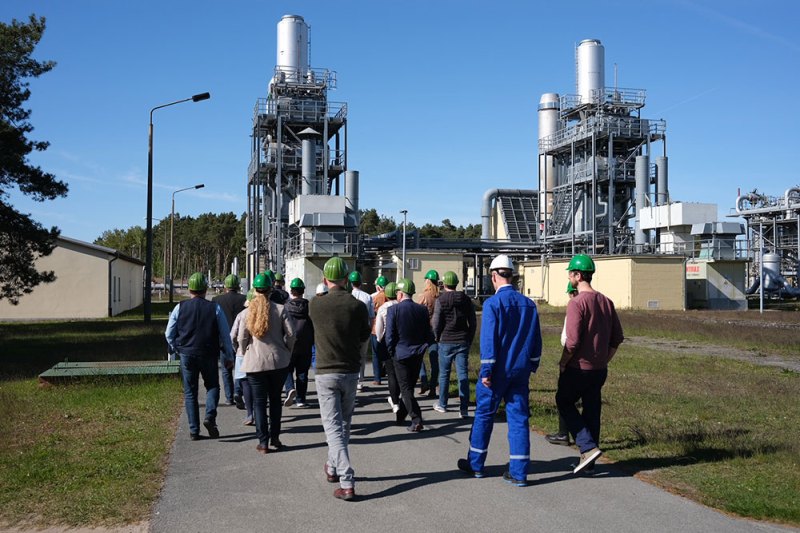
Project ALE – Repurposing Legacy Infrastructure for Lithium Production
Explore one of Germany’s leading projects for domestic lithium production and subsurface energy transition: Project Altmark Lithium Extraction (ALE) in the Altmark region of Saxony-Anhalt. This field trip offers insights into how legacy hydrocarbon infrastructure and deep subsurface expertise can be repurposed to support Europe’s Critical Raw Materials and Just Energy Transition ambitions.
Participants will gain first-hand insights into the geological setting and infrastructure of the Altmark region, including ongoing discussions around pilot planning, subsurface, and integrated project development. The excursion will highlight how geoscience, engineering, and policy intersect in the development of future sustainable resource systems.
Join us for an in-depth look at how subsurface expertise can drive Europe’s energy and raw materials transition from legacy reservoirs to future battery supply chains.
Large scale testing of offshore structures at the TTH (test center support structures Hannover) and at the GWK+ Large Wave Flume+
Join us for an exclusive technical field trip exploring cutting-edge large-scale testing facilities dedicated to the development and optimization of offshore wind energy infrastructure. This visit will provide participants with valuable insight into the experimental research and engineering approaches used to improve the safety, reliability, and cost-efficiency of offshore support structures.
Offshore support structures, including their foundations, account for approximately one-third of a wind farm’s total capital expenditure (CAPEX). Large-scale experiments are essential for optimizing design approaches and mitigating project risks, as they provide critical data for the validation of engineering models and project planning.
At the Test Center for Support Structures Hannover (TTH), geotechnical and structural steel tests can be conducted at near-full scale under controlled laboratory conditions, utilizing highly sophisticated measurement equipment. Furthermore, the Large Wave Flume+ (measuring 300 m in length, 5 m in width, and 7 m in depth) enables detailed investigations of hydrodynamic loads and soil mobilization effects (e.g., scour formation) by applying both waves and superimposed currents.
Field Trip 4 – 6 November
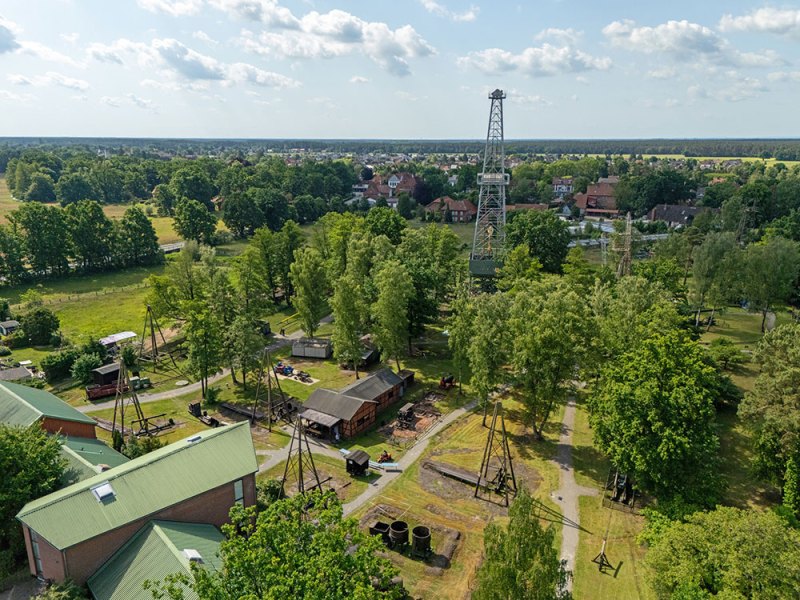
Visit to The Erdölmuseum Wietze and The Tar Pits of Hänigsen
Discover the fascinating origins of Europe’s petroleum industry on a field trip to the Tar Pits of Hänigsen and the German Petroleum Museum in Wietze. This excursion offers a unique opportunity to explore the geological history of natural hydrocarbon systems and the technological evolution of oil production in Northern Germany.
The field trip begins at the German Petroleum Museum in Wietze, located on one of Europe’s oldest and most significant onshore oil fields. This unique site preserves extensive remains of historic drilling and production infrastructure, offering direct insight into the geological setting, extraction history, and industrial development of petroleum in the region. Wietze represents a key reference point for understanding the evolution of onshore hydrocarbon systems in Central Europe.
From there, the excursion continues to the Tar Pits of Hänigsen, one of the earliest documented natural oil seep sites in Northern Germany. Here, surface expressions of bitumen and oil illustrate long-term hydrocarbon migration processes and the interaction between geology and early human resource use. Together, both sites provide a continuous narrative from natural seepage systems to industrial-scale extraction, linking geological processes with the technological foundations of the energy industry and its ongoing transition.
Bridging geological heritage with contemporary energy discussions, the field trip provides valuable insight into subsurface resources, industrial innovation, and the changing role of geoscience and engineering in the energy transition.
Field Trip 5 – 6 November
Geoscience for the Energy Transition: Insights into Three Institutions in the GEOZENTRUM Hannover
The campus Geozentrum Hannover is shared by the three institutions Federal Institute for Geosciences and Natural Resources (BGR), LIAG Institute for Applied Geophysics (LIAG) and State Authority for Mining, Energy and Geology (LBEG). The excursion will highlight activities at the Geozentrum by introducing the participants to available facilities for field research and in laboratories for investigation of the subsurface or important processes that shape it. The tour therefore begins by introducing accessible data platforms for subsurface data and their various applications before leading participants through geochemical, geomicrobial and petrophysical research laboratories focusing on hydrogen storage. Further stations showcase field-deployable geophysical systems and present new developments in 3D visualisation of the subsurface.

Field Trip 6 – 31 October
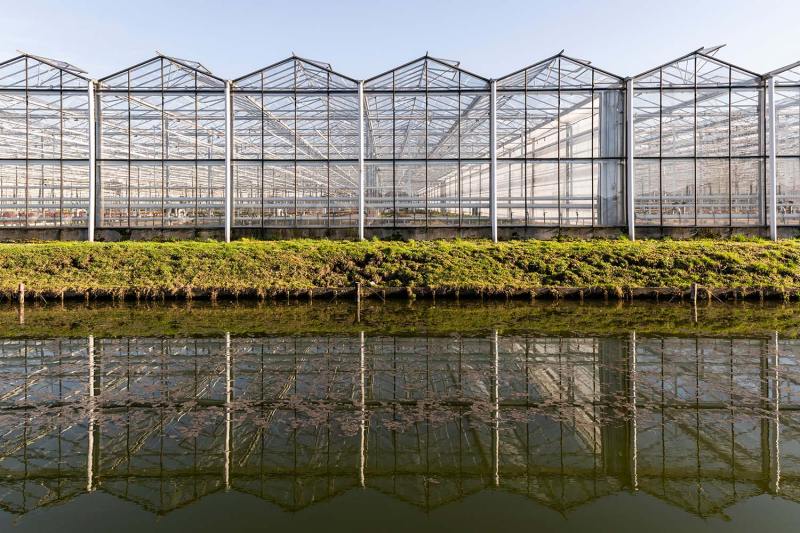
Heat Below, Harvest Above - Geothermal Energy and Sustainable Horticulture in Westland
Dive into the heart of the Dutch horticultural engine — Westland — where cutting-edge greenhouses grow our food with the power of the Earth itself. This exclusive field visit explores how geothermal energy and industrial CO₂ reuse are reshaping the future of food, energy, and environmental responsibility. Witness how deep-earth heat fuels green growth, and join the discussion on how to balance innovation with geological responsibility.
Field Trip 7 – 27 October
The Sea of Change - The North Sea as a Future-Proof Energy & Climate Zone
Transforming the North Sea into a Hub for Clean Energy and Climate Resilience
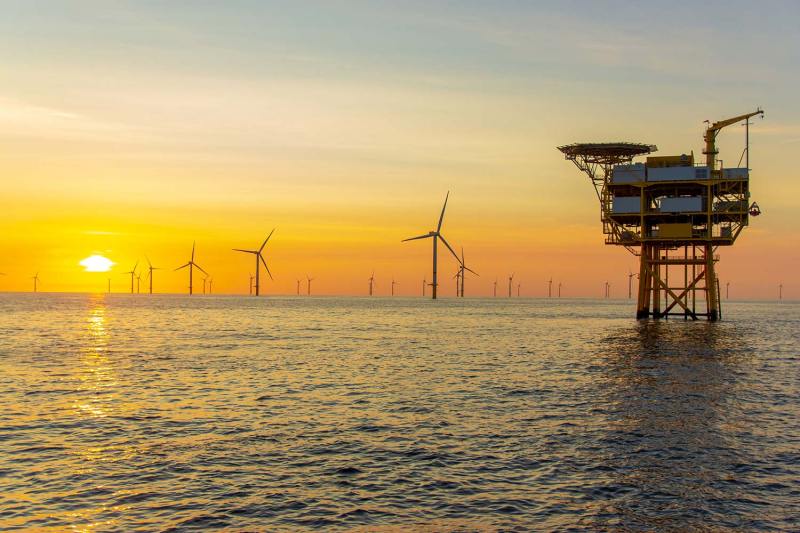
Once dominated by oil, gas, and fishing, the North Sea is rapidly evolving into the beating heart of Europe’s energy transition. This excursion offers a panoramic view of how we’re reimagining this vast marine space for a multi-use future — with offshore wind, hydrogen, nature restoration, and infrastructure reuse all coming together in a bold new system.
Field Trip 8 – 27 October
Carbon in Transit - Capturing, Transporting & Storing CO₂ Beneath the North Sea
Join us at the cutting edge of climate innovation with a visit to Maasvlakte’s Portland Visitor Centre, where the Porthos project is setting the stage for one of Europe’s first large-scale Carbon Capture and Storage (CCS) operations.
From source to sink, this excursion provides a front-row view of how the Netherlands is tackling industrial emissions through collaboration, infrastructure, and subsurface storage.
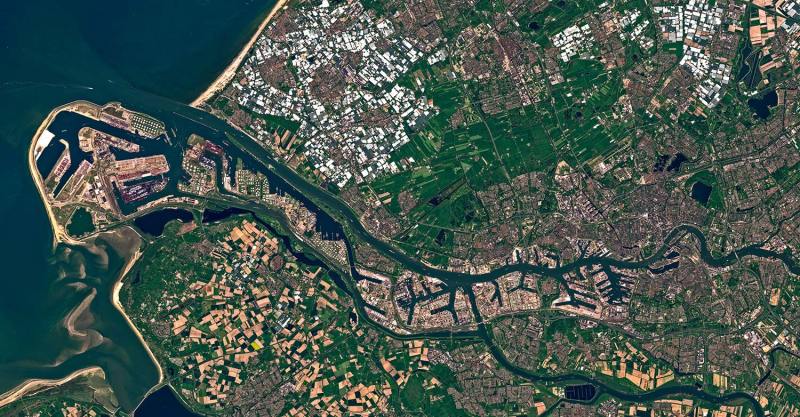
Visitor Centre Portland, Maasvlakte, Port of Rotterdam. See the surrounding CO₂ emitters, the transport infrastructure, and the offshore connection — all part of a fully integrated carbon chain. This is a rare chance to witness the transition from emission to storage, and to explore the policies, partnerships, and engineering making it possible.
Access all events, including Short Courses, Field Trips, and Workshops.